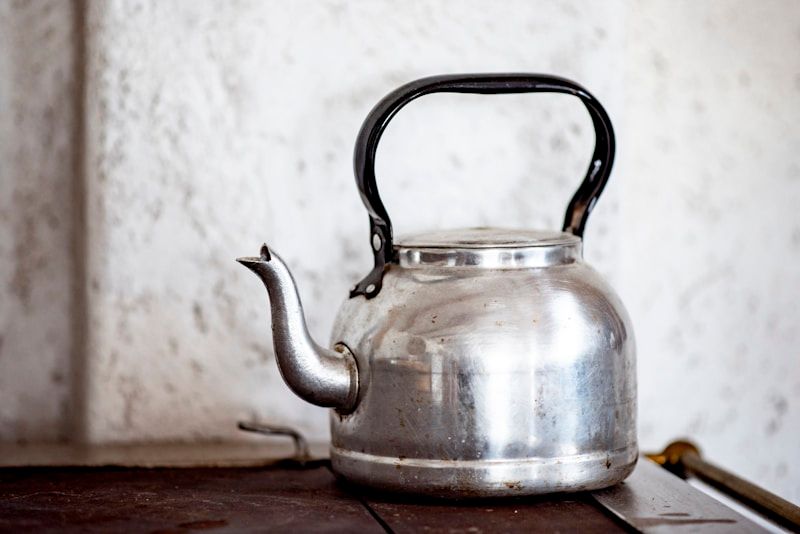
Iron Kettle
The iron kettle (tiehu) is a traditional Japanese-inspired boiling vessel made from cast iron. Iron kettles add trace iron minerals to water beneficial for health, offer excellent heat retention, and are favored by serious tea practitioners seeking traditional boiling methods.
Benefits and Properties
The iron kettle's standout feature is supplementing dietary iron — trace iron dissolves into water during boiling, and long-term use may help prevent iron-deficiency anemia. Iron kettles conduct heat evenly, fully activating water molecules for a smoother taste particularly suited to teas requiring high temperatures like Puer and rock teas. Heat retention is excellent — the kettle maintains high temperature even after flame is off, reducing reheating. In winter, the kettle's sustained heat can also warm the tea space.
Selecting an Iron Kettle
When selecting, consider: material — quality kettles use raw iron without heavy metals; craftsmanship — traditional sand-cast kettles have rough but even texture while stamped kettles are smooth but may have coatings; capacity — 0.8-1.2L for personal use, 1.5-2L for gatherings; base thickness — thicker base ensures durability and even heating. Famous origins include Japanese Nambu ironware and Kyoto ironware, plus recent Chinese artisan iron kettles.
Use and Maintenance
Before first use, "open" the kettle by filling with water, boiling, and discarding — repeat 3-5 times to remove polishing compounds and odors. During use, never dry-boil — this damages the kettle and creates odors. Keep water level below full to prevent boiling overflow. After each use, empty water and dry over low flame to prevent rust from moisture. For minor rust, boil several rounds of tea water to improve. Never use detergent on the interior.

