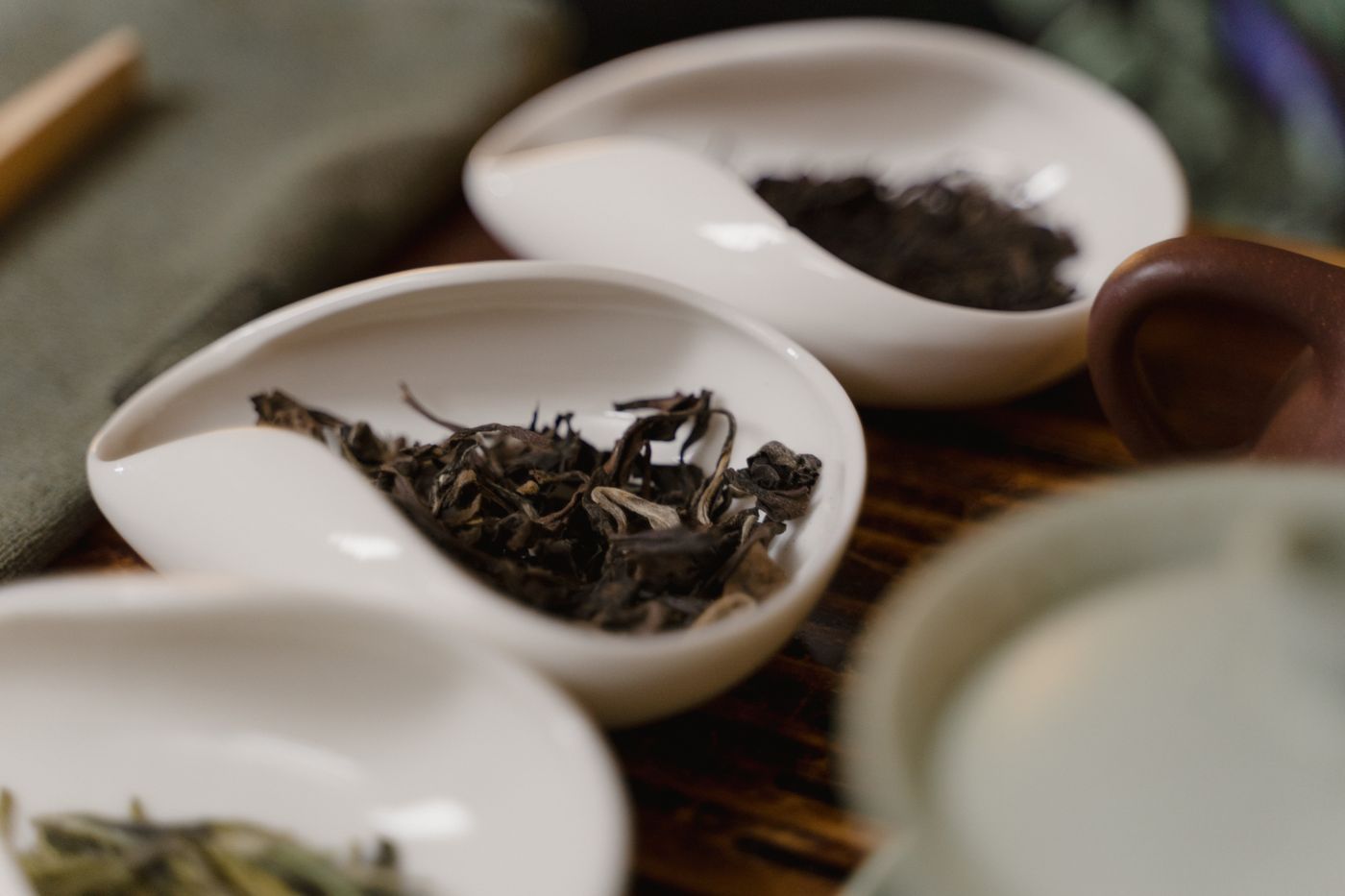
Six Tea Types
China's six tea types — green, black, oolong (qingcha), white, yellow, and dark tea — each have unique processing methods and flavor profiles. This classification system was proposed by tea scientist Professor Chen Chuan in 1979, became a Chinese national standard in 2014, and was elevated to an ISO international standard in 2023.
How Are the Six Tea Types Classified?
The six tea types are classified by their level of oxidation (polyphenol oxidation) during processing, not by tea plant variety or origin. Professor Chen Chuan's seminal 1979 paper in the Tea Industry Bulletin established the system based on flavanol (catechin) content. Green tea (unoxidized), white tea (lightly oxidized), yellow tea (lightly oxidized), oolong/qingcha (semi-oxidized), black tea (fully oxidized), and dark tea (post-fermented). Each category produces dramatically different flavors from the same plant species (Camellia sinensis).
Which Tea Should a Beginner Try First?
Start with mild-flavored teas. Green tea (Longjing, Biluochun) offers fresh, sweet notes that are easy to appreciate. Oolong (Tieguanyin, Da Hong Pao) has rich aromatics and complex layers. Black tea (Keemun, Lapsang Souchong) is full-bodied and pairs well with milk or lemon. White tea (Silver Needle, Shou Mei) is the most natural and delicately flavored. Try each category to discover your preference.


