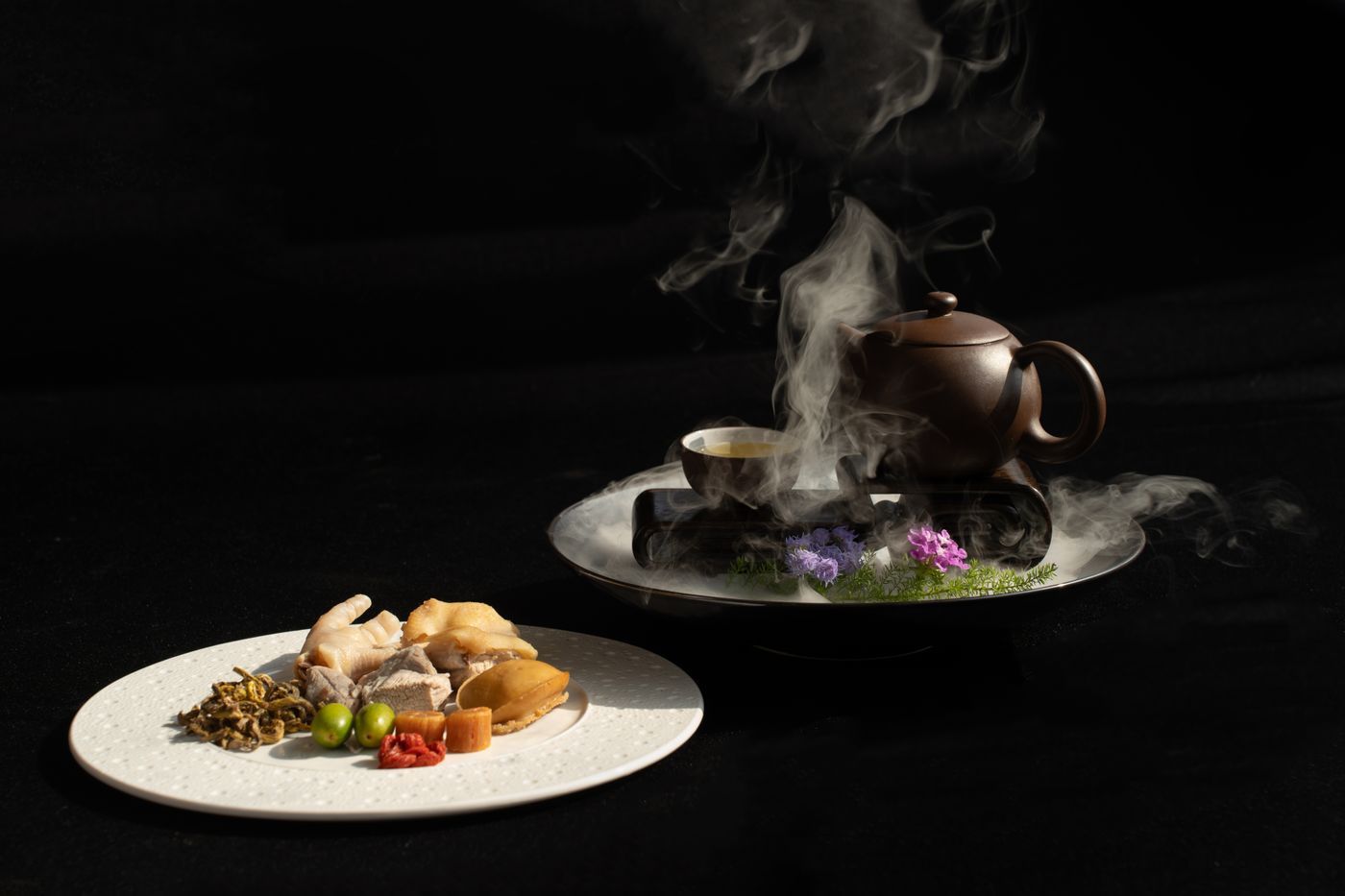
Tea & Food Pairing
Pairing tea with food is an important part of Chinese culinary culture. Understanding tea-food pairing principles creates richer, more harmonious flavor experiences while cutting through richness and enhancing enjoyment.
Basic Pairing Principles
Traditional Chinese wisdom offers clear guidance: pair sweet foods with green tea, acidic foods with black tea, salty foods with oolong, and spicy foods with Pu-erh. Sweet dishes and light green tea complement each other; acidic foods and black tea balance astringency; savory dishes and oolong's fragrance cut through saltiness; rich dishes and Pu-erh pair to refresh the palate.
Chinese Culinary Tea Traditions
In Cantonese dim sum culture, "one pot, two pieces" with Pu-erh is classic — Pu-erh's richness cuts through the oiliness of shrimp dumplings and siu mai. In the Gongfu tea tradition of Fujian and Chaoshan, people drink Tieguanyin with fried snacks — the tea's fragrance refreshes the mouth. In Suzhou, Biluochun pairs elegantly with Su cuisine, both delicate and refined. These traditional pairings, tested over generations, are invaluable culinary wisdom.
Daily Pairing Suggestions
Seafood dishes pair well with light green or white tea — the tea's delicacy won't overpower the seafood's freshness. Red-braised pork and char siu suit ripe Pu-erh or oolong. For hot pot, choose light oolong or mild green tea so the flavor isn't overwhelmed by the spicy broth. Desserts like mooncakes and cakes pair with black tea or floral teas — the tea's astringency balances sweetness for a more harmonious palate.
