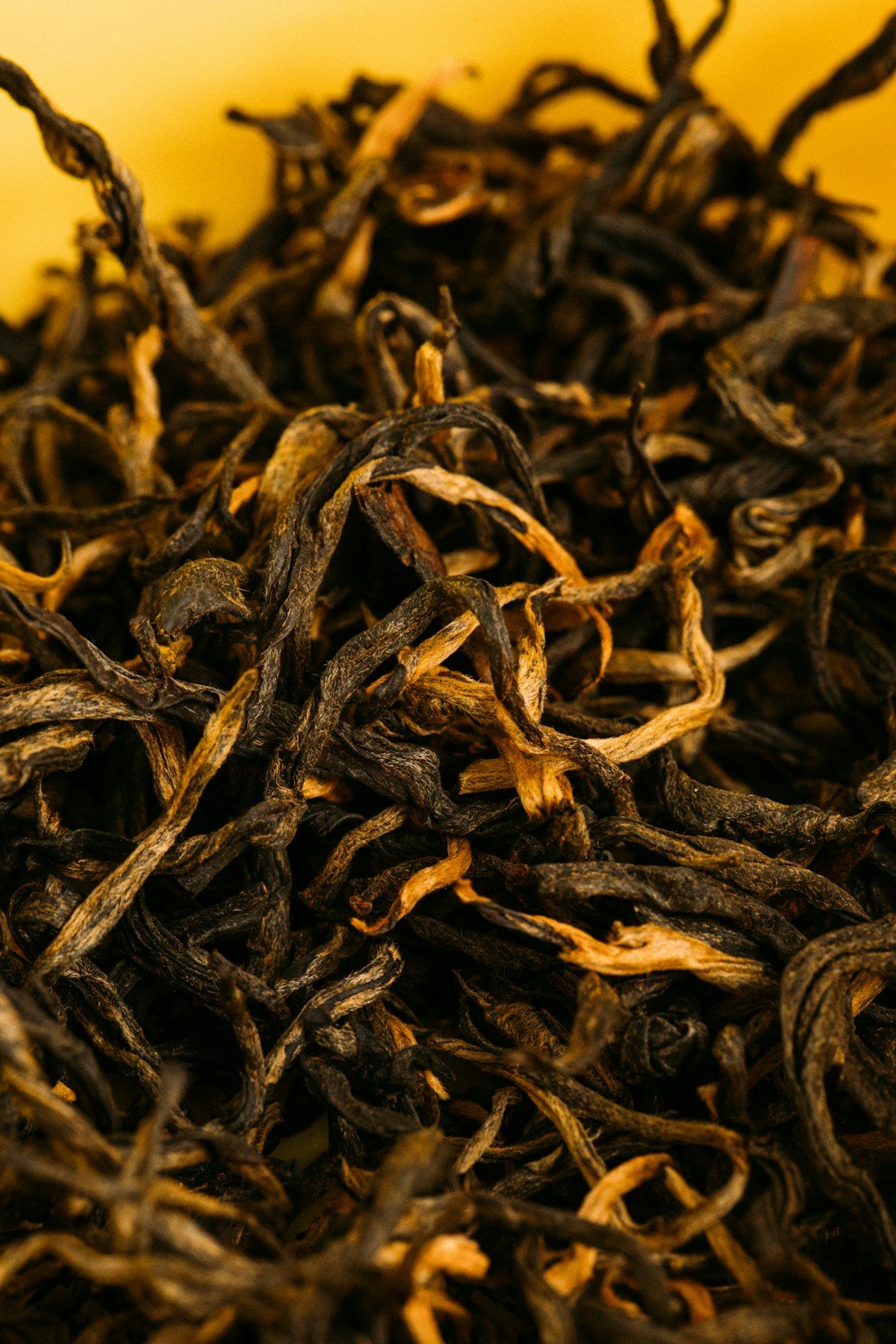
Puer Tea
Puer tea is Yunnan's specialty post-fermented tea, available in raw (sheng) and ripe (shou) forms. Raw Puer ages naturally for "the older, the more fragrant" character; ripe Puer uses artificial fermentation for immediate drinkability. Both are cherished for their aging potential, smooth mouthfeel, and complex flavor development.
Raw vs Ripe: Understanding the Difference
Raw Puer (sheng) uses no artificial fermentation — its flavor develops through natural aging under Yunnan's unique climate. Ripe Puer (shou) was invented in 1973 using the "wo dui" pile fermentation process to simulate decades of aging in weeks. Raw suits collectors willing to wait; ripe suits those seeking immediate enjoyment.
How to Choose Quality Puer
Quality Puer comes from core regions: Xishuangbanna, Pu'er City, and Lincang, using Yunnan large-leaf varieties. Good raw Puer shows minimal bitterness with quick huigan (returning sweetness). Stick to reputable factories for consistency. Never chase old teas or famous mountains blindly — flavor match matters more than age or reputation.
Brewing & Tasting
Use 100掳C water with a yixing teapot or gaiwan for Puer. Raw Puer: short infusions reveal evolving flavors across 10+ steeps. Ripe Puer: slightly longer steeps to unlock its smooth, earthy character. Evaluate by liquor color (green-yellow to red-brown), balance of bitterness and sweetness, and leaf reactivity.


