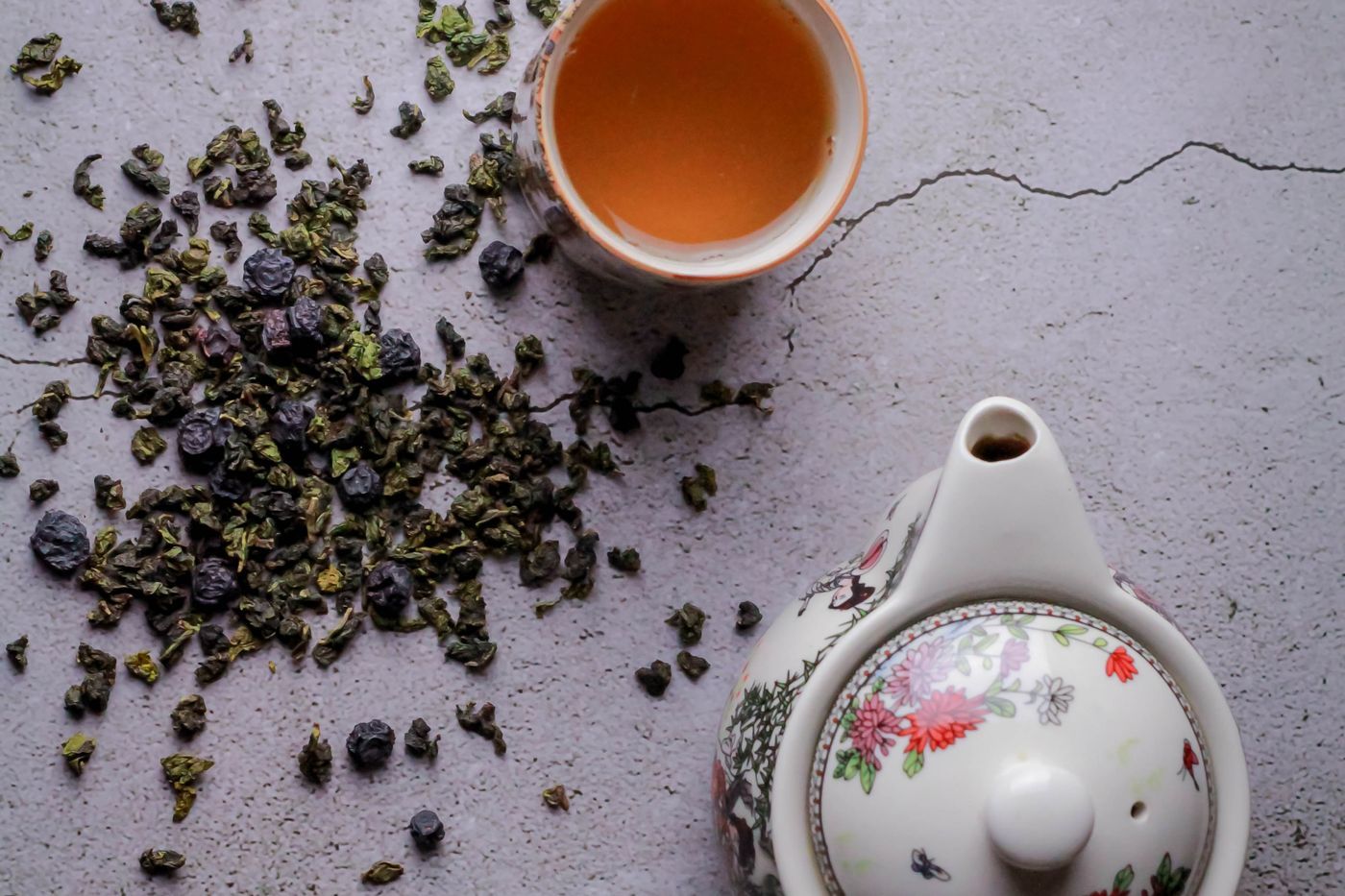
Oolong Tea
Oolong tea spans the widest fermentation range of any tea type — from 15% to 80% — bridging green and black tea. This diversity gives oolong its unique position: green tea's freshness meets black tea's depth. Wuyi rock teas, Tieguanyin, and Phoenix Dancong represent oolong's three legendary pillars.
Two Schools of Oolong
Light oolong (e.g., Tieguanyin) uses lighter fermentation, preserving floral freshness for immediate drinking. Traditional oolong (e.g., rock teas) uses heavier fermentation and roasting for deep mineral character and aging potential. Each suits different occasions — freshness now or complexity after storage. Oolong's fermentation spans 15% to 80%, broken into three tiers: light (15-25%, e.g., floral Tieguanyin), medium (25-40%, e.g., Dong Ding), and heavy (60-80%, e.g., Wuyi rock teas).
The Art of Brewing
Oolong demands Gongfu brewing technique. Use 100掳C water with a yixing teapot, 8-10g leaves per session. First few steeps: pour immediately; subsequent steeps extend by 5-10 seconds. Multiple infusions reveal oolong's evolving layers — this is why it's called "Gongfu" (skillful) tea.
Three Legendary Oolongs
Da Hong Pao from Wuyi Mountains embodies "rock bone and floral fragrance." Tieguanyin from Anxi carries the mysterious "Guanyin Yun" (goddess charm). Phoenix Dancong from Chaozhou offers extraordinary aromatic diversity — "one tree, one fragrance." Each represents the pinnacle of oolong craftsmanship.


