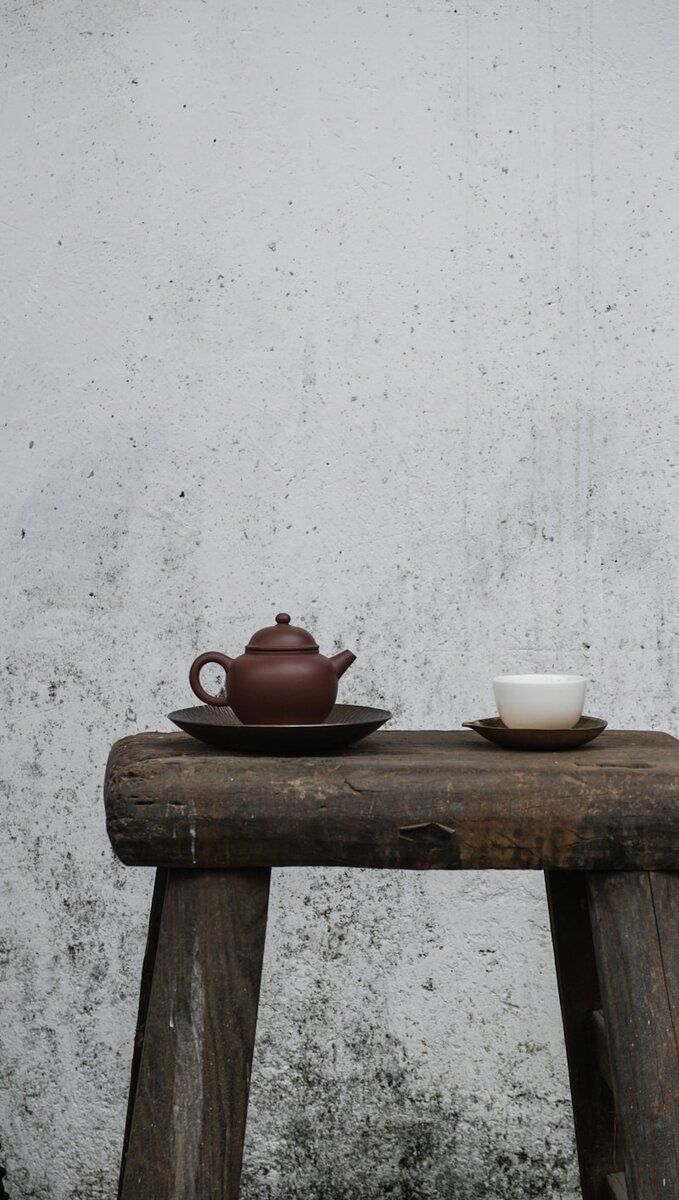
Silver Teapot
Silver teapots are luxury teaware made from pure silver or silver alloys, with a long history in Chinese and Japanese tea culture. Silver's superior thermal conductivity and natural antibacterial properties effectively soften water, producing a sweeter, smoother tea. Historically, silver pots were reserved for royalty and nobility.
Properties of Silver
Pure silver conducts heat approximately 15 times faster than stainless steel, ensuring rapid, even water heating without hot spots. Silver ions have natural antibacterial properties that inhibit microorganisms in water. Most importantly, silver reacts with chloride ions in water to soften it, creating a smoother tea experience — particularly valuable in areas with hard water. Silver develops a unique patina over time from oxidation, adding character.
History and Cultural Significance
Silver vessels appear in Chinese tea records as early as the Tang Dynasty, with the Tea Classic stating silver vessels as "the finest" for boiling water. In Japanese tea ceremony, silver pots represent the ultimate pursuit for serious tea practitioners, with works by renowned kama masters commanding extraordinary prices. In Five Elements theory, silver belongs to metal, corresponding to the lungs, and silver-heated water is believed to carry purifying energy.
Using and Maintaining Silver Teaware
Never dry-boil a silver pot — this causes oxidation discoloration and possible deformation. Heat on medium-low flame, allowing water to warm gradually. For daily care, wipe with a silver polishing cloth or soft cotton cloth to remove water spots and fingerprints. Light oxidation can be treated with cloth and a small amount of toothpaste; severe oxidation requires professional cleaning. Store in a dry, ventilated area, away from sulfur sources (hot springs, oak, etc.) to prevent accelerated tarnishing.


