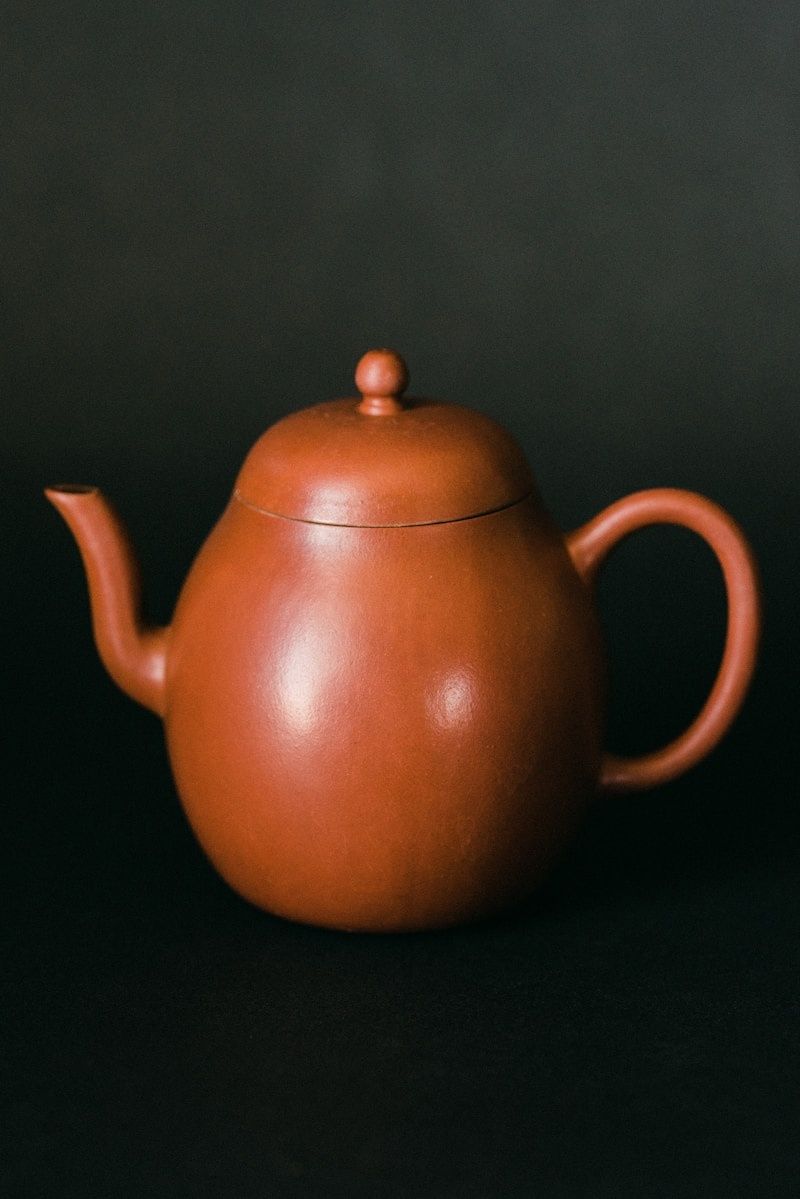
Yixing Teapot
Yixing clay teapots are traditional Chinese teaware made from purple sand (Zisha) clay found in Yixing, Jiangsu Province. Dating back to the Ming Dynasty, these teapots are prized for their unique dual-porous structure that allows the pot to breathe while remaining watertight.
Unique Properties of Yixing Clay
Yixing clay contains high levels of iron and minerals. When fired at high temperatures, it develops a distinctive dual-porous structure that offers excellent breathability while preventing water leakage. This structure allows the pot to absorb tea oils over time, developing a patina that enhances flavor — a process called "cultivating the pot." Different clay types (purple, red, and green) offer varying levels of porosity, suited to different tea types.
Why Yixing Teapots Are Treasured
Yixing teapots are prized for three reasons: their ability to soften water and enhance sweetness; their flavor-absorbing quality that enriches tea body, particularly suited for Puer and Wuyi rock teas; and the "one pot, one tea" philosophy — because the pot absorbs flavors, each pot is typically dedicated to one tea type, adding ritual significance. Master-crafted Yixing pots are also collectible art pieces, commanding high prices at auction.
Selecting and Caring for Yixing Teapots
When selecting a Yixing pot, check that the clay is authentic (from Yixing's Dingshan region), craftsmanship is refined (tight lid fit, smooth pour), and the shape feels comfortable in your hand (standard gongfu capacity is 120-150ml). Before first use, rinse with water then soak in tea soup or boil to "open" the pot. After each use, clean with water only — never detergent, as it clogs the pores. Air dry in a ventilated area away from direct sunlight.


