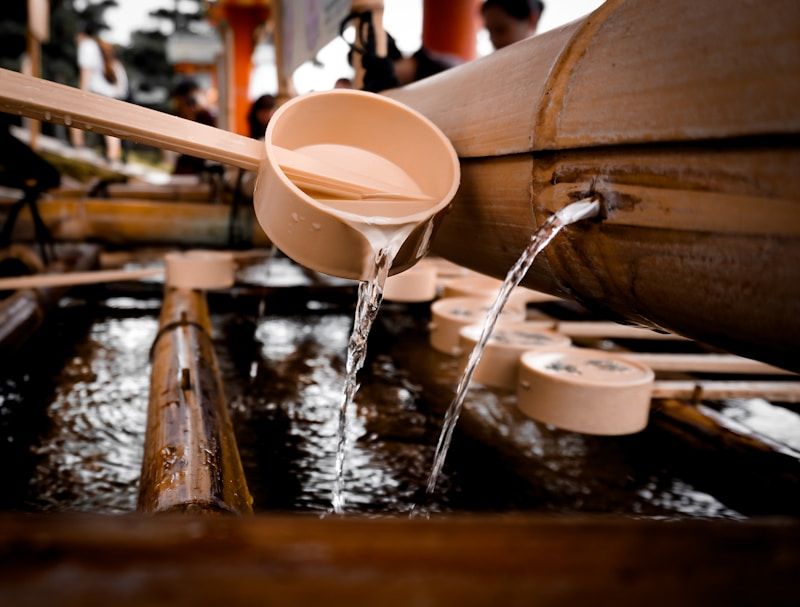
Water Container
The water container (shuifang), also called waste water jar or basin, holds rinse water and discarded tea liquor. An essential auxiliary tool in gongfu tea, the water container embodies the tea philosophy of "cherishing water" — rinse water isn't wasted but collected for other uses.
Function and Significance
The water container's main function is collecting rinse water and discarded tea. In gongfu brewing, the first infusion (rinse or "warm-up" steep) is not drunk but discarded. Collecting this water in the container rather than pouring it randomly demonstrates both etiquette and environmental consciousness. The container can also hold used tea cloths or wiping cloths. In feng shui, the water container represents "dirty water" and should be placed at the tea table's edge or inconspicuous position, not facing doors or windows.
Materials and Selection
Material should harmonize with overall tea table style. Zisha water containers are most traditional, matching clay teaware with full flavor, but are expensive and harder to clean. Porcelain containers are smooth, easy to clean, and come in many styles suiting various aesthetics. Bamboo/wood containers are natural and rustic but may discolor or warp with prolonged water contact. Glass containers are transparent and beautiful, allowing real-time waste water monitoring, but may be less aesthetically pleasing visually.
Placement and Use
Position the water container at the tea table's edge, usually to the right or right-rear of the main brewer, convenient for right-hand operation without interfering with the main brewing flow. Avoid placing it at the focal point of guest attention. When using, pour rinse water and discarded tea gently into the container, avoiding splashes. After the tea session, discard the waste water, rinse with clean water, and air dry to maintain hygiene.


