Sensory Evaluation
Tea tasting is the art of evaluating tea through sensory analysis — observing appearance, smelling aroma, tasting the liquor, and examining spent leaves. Professional sensory evaluation methods help you understand the quality of every tea you drink. Mastering these steps elevates daily tea drinking into a deep exploration of flavor.
Preparation for Professional Tea Tasting
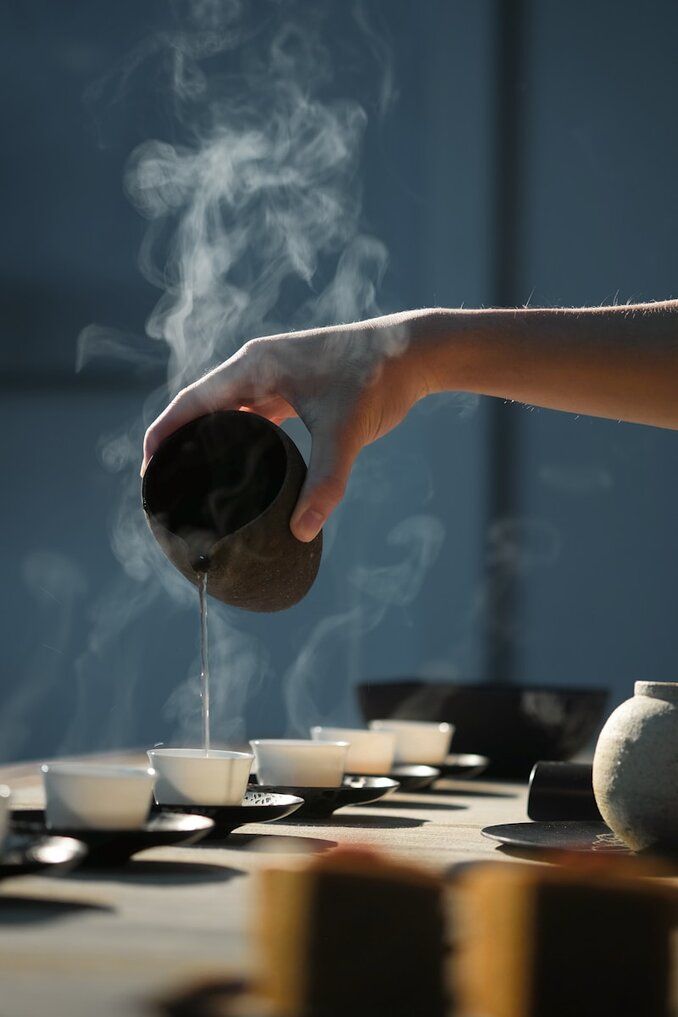
Before formal evaluation, a standardized environment and tools are essential for objective, accurate assessment. Three key elements must be in place:
1. Tasting Environment
- Lighting & climate: Even, indirect natural light at 22–24°C with 55% humidity.
- No odor interference: The room must be free from smoke, cosmetics, perfume, or any strong scents.
2. Standard Tasting Utensils (ISO 3103)
International standards use pure white porcelain sets to avoid color interference:
- Tasting cup (150 ml): Serrated lid for drainage, used for brewing and holding leaves for aroma.
- Tasting bowl (200 ml): Holds the liquor for color inspection and tasting.
- Tasting tray & white porcelain spoon: For dry leaf examination and liquor sampling.
3. Golden Brewing Ratio
- Leaf-to-water ratio: 3g of tea per 150ml of boiling water (or 2g per 100ml per ISO standards).
- Water quality: Low-TDS filtered or soft water to avoid mineral interference.
- Steep time: 5–6 minutes for oolong and black tea to fully extract all characteristics.
Step 1: Look — Examine Dry Leaf Appearance
Before brewing, tasters place the sample on a tasting tray for visual and tactile inspection across three dimensions:
- Shape & twist: Check whether leaves are twisted (Wenshan Baozhong, black tea), half-ball (high mountain oolong), or flat needle (Longjing). High-quality leaves are tightly rolled and heavy.
- Completeness & purity: Leaves should be uniform and whole. Excessive broken bits reduce brewing endurance. Check for stems, weeds, or non-tea impurities.
- Color & dryness: Quality dry leaves have an even, lustrous color (jade green for green tea, glossy black for black tea). Leaves should crack easily when pinched, indicating proper dryness.
Step 2: Smell — Layered Aroma Evaluation
Over 80% of taste perception comes from smell. Professional aroma evaluation follows three progressive stages:
- Dry aroma (pre-infusion): Smell the warm, dry leaves to catch their primal vegetal, roasted, or varietal notes.
- Wet aroma (post-infusion): Immediately after pouring, sniff the lid and wet leaves to assess purity (no musty, burnt, or off-odors) and character (floral, fruity, honey, etc.).
- Cup-bottom aroma (cold fragrance): After the liquor is drunk and the cup cools, smell the residual fragrance. The longer and more pleasant this persists, the higher the tea's quality.
Step 3: Taste — Evaluate Liquor Flavor and Color
After pouring the tea into the tasting bowl, observe the liquor color first, then taste. Three critical evaluations:
- Liquor color: Examine brightness and clarity. Regardless of tea type, the hallmark of quality is clear, bright, and not cloudy.
- Professional slurping: Use the tasting spoon to sip the tea loudly, aerating it across the entire tongue and mouth to stimulate all taste receptors.
Mouthfeel & Finish
- Texture: Is the liquor thick and viscous (like rice soup) or thin and watery?
- Bitterness transformation: Bitterness from polyphenols and caffeine is normal, but quality tea transforms it quickly.
- Huigan (回甘): After swallowing, note whether saliva returns to the cheeks and throat (生津) and whether sweetness rises from the throat — the hallmark of a fine tea.
Step 4: Examine — Inspect Spent Leaves
The spent leaves (infused leaf base) reveal the truth about raw material and processing skill:
- Leaf tenderness: Gently press the leaves — soft, plump, and springy leaves indicate tender, high-quality plucking.
- Fermentation evenness: Examine how evenly the leaves oxidized. Oolong tea is known for its "green leaf red edge" (red rim, green center). Irregular red spots or black patches indicate processing flaws.
Comparison: Key Evaluation Focus by Tea Type
Different tea types require different evaluation priorities. This table provides a quick reference across the six major categories:
| Tea Type | Oxidation | Liquor Color | Key Aromas | Tasting Focus |
|---|---|---|---|---|
| Green | 0% unoxidized | Bright jade green | Fresh bean, chestnut | Umami and instant bitterness transformation |
| White | 5%–10% light | Apricot-yellow bright | Downy aroma, sweet floral | Delicate flavor, silky texture, long huigan |
| Yellow | 10%–20% light | Yellow bright | Sweet, nutty, wok-fired | Mellower than green, less cooling |
| Oolong | 15%–70% semi | Golden, amber, orange | Orchid, roasted, fruity, honey | Layered complexity, full body, strong huigan |
| Black | 100% fully oxidized | Bright red with "golden ring" | Malty, fruity, honey | Full-bodied with astringent structure, no harsh bitterness |
| Dark (Puer) | Post-fermented | Chestnut-red to deep red | Earthy, camphor, date, rice | Smooth, thick, aged character, excellent throat feel |

