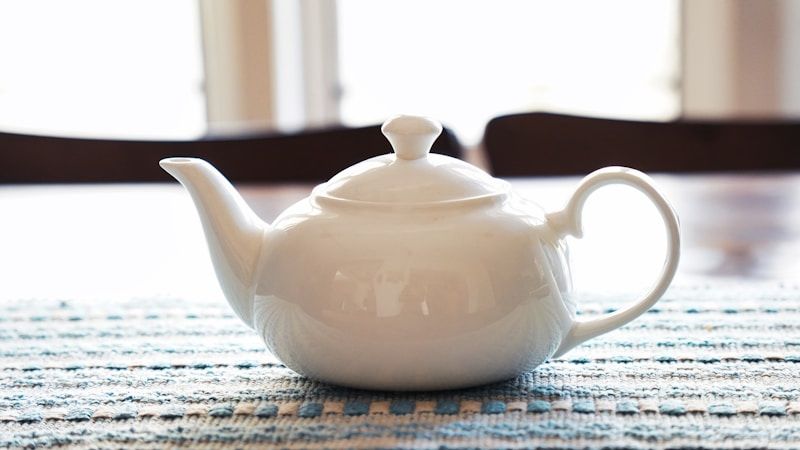
Porcelain Teapot
Porcelain teapots are made primarily from kaolin clay fired at temperatures above 1300掳C. As one of the oldest Chinese teaware materials, porcelain is prized for its non-porous, flavor-neutral surface that faithfully presents tea's original character, making it a versatile choice for all tea types.
Porcelain vs Yixing: Choosing
Porcelain and Yixing each have strengths. Porcelain's smooth, non-absorbent surface makes it ideal for teas where you want to taste the pure original flavor — green tea, white tea, and light oolongs. Yixing's absorbing quality softens water and enriches flavor, better suited for Puer, aged rock teas, and vintage teas. If you can only have one pot, quality porcelain offers more versatility; for ritual and specific tea expression, consider both.
Qualities of Fine Porcelain
Quality porcelain should have: fine, even texture with a clear ring when tapped; smooth glaze without bubbles or pinholes; tight-fitting lid that won't slide when tilted; and well-designed spout for smooth, drip-free pouring. Famous origins include Jingdezhen, known for its translucent quality and intricate designs. Maintenance is simple — rinse with hot water after use; stubborn stains can be soaked in baking soda water.
Choosing Porcelain for Different Teas
Different teas suit different porcelain styles: green tea pairs well with glass or white porcelain to appreciate the leaves; black tea suits thick-glazed red or blue-and-white porcelain for better heat retention; oolong tea is best in white or celadon porcelain to showcase liquor color; white tea suits elegant white or gray-glazed porcelain matching its delicate nature. For gongfu brewing, 120-150ml is standard; for cup brewing, 200-300ml works well.


