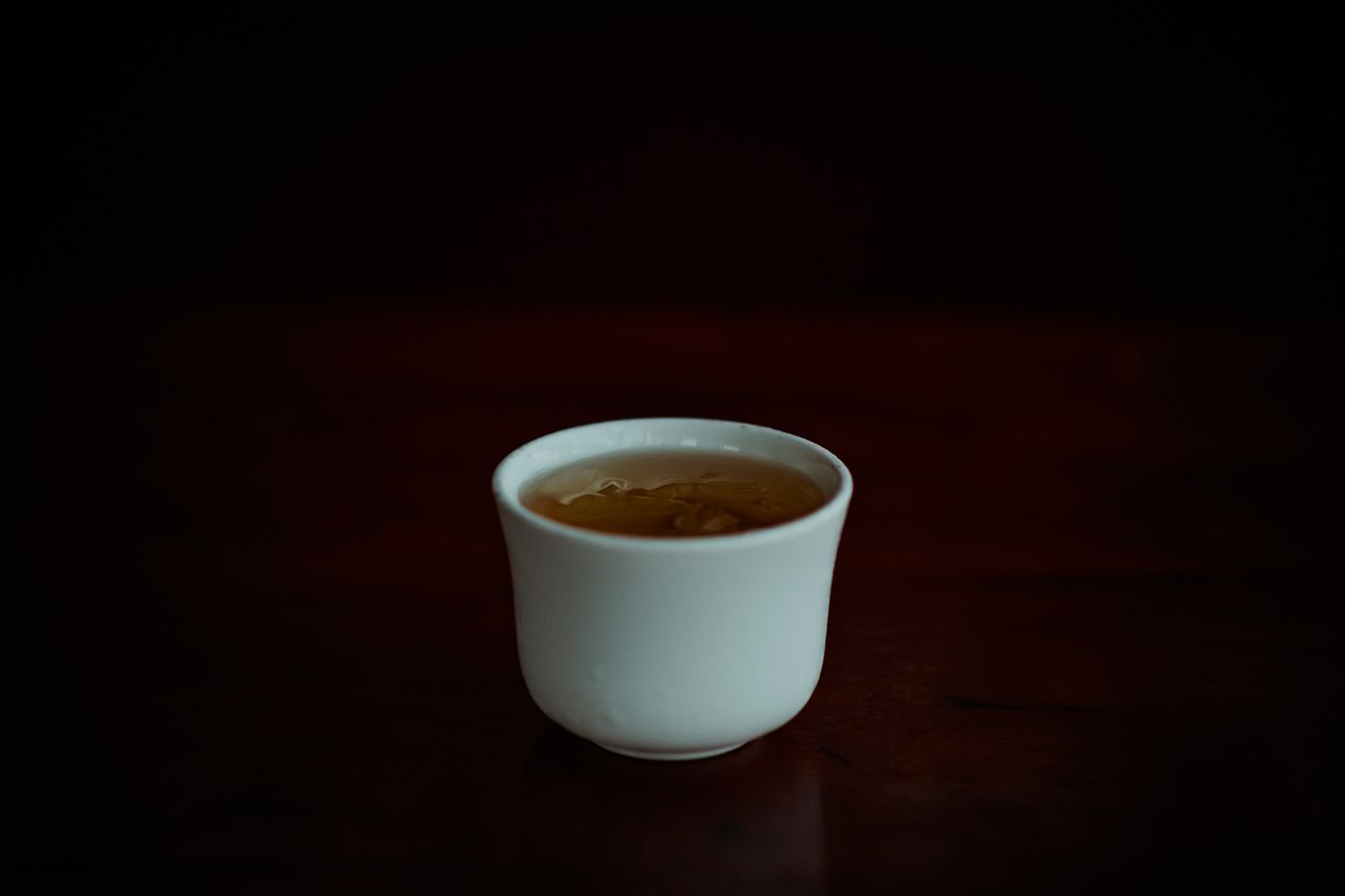
Yellow Tea
Yellow tea is the rarest and most unique of China's six tea types, belonging to the lightly fermented category. Its production resembles green tea but includes a distinctive "menhuang" (smothering) step that causes slight oxidation, giving leaves and liquor their characteristic yellow color. Junshan Yinzhen, Mengding Huangya, and Huoshan Huangya are the three most famous yellow bud teas.
The Menhuang Process
The smothering process is what distinguishes yellow tea from all others. After kill-green, the leaves are stacked while still warm, allowing natural moisture and heat to trigger mild oxidation. This reduces astringency and creates a smoother, sweeter taste compared to green tea. Traditional Chinese medicine considers yellow tea gentler on the stomach than green tea.
Three Famous Yellow Teas
Junshan Yinzhen from Hunan's Junshan Island is the most celebrated yellow tea, made from single buds that stand upright when brewed — a spectacle known as "three risings and three fallings." Mengding Huangya from Sichuan's Mount Mengding is one of China's oldest tribute teas, with a flat shape and rich sweet aroma. Huoshan Huangya from Anhui's Dabie Mountains dates to the Tang Dynasty, was an imperial tribute in Ming-Qing, and was revived in 1972. Each represents the pinnacle of yellow tea craftsmanship.


