Cold vs Heat Constitution
Traditional Chinese Medicine classifies body constitution into "cold" and "heat" types, each suited to different tea properties. Matching your constitution to the right tea is an important aspect of daily wellness.
Basic Constitution Concepts
TCM recognizes four basic constitutional tendencies: cold, heat, warm, and cool. "Cold" types typically have pale complexion, cold hands and feet, soft voice, and fatigue easily. "Heat" types tend to have a reddish complexion, are prone to acne or mouth sores, have impatient temperaments, and may experience constipation.
Tea Properties by Fermentation
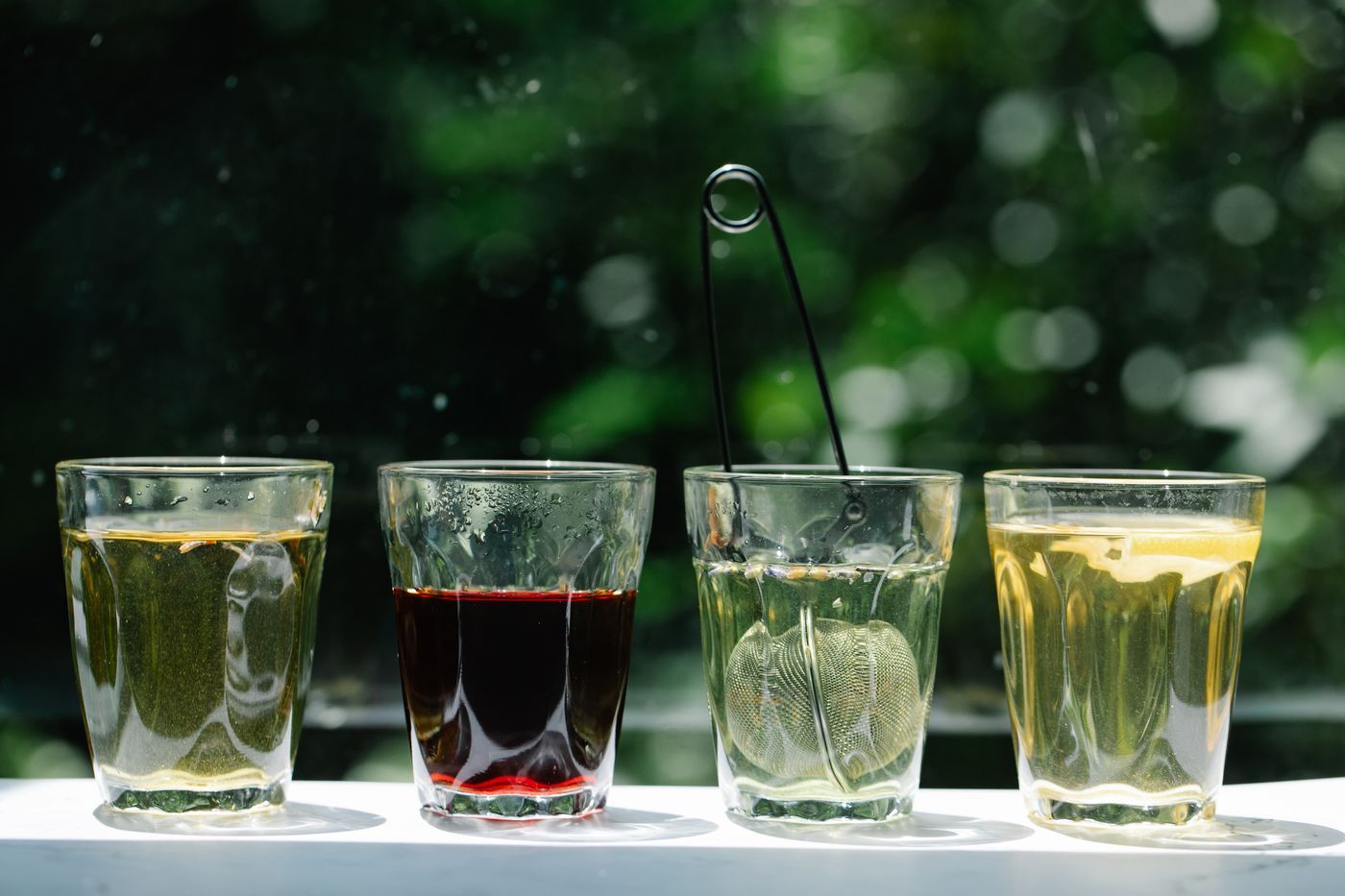
By fermentation level, teas roughly divide into cold/cool and warm categories. Green teas (Longjing, Biluochun) are unfermented and relatively cold/cool, suitable for heat types in summer. White tea is lightly fermented and quite neutral, suitable for most constitutions. Oolong is semi-fermented and balanced. Black tea and ripe Pu-erh are fully or post-fermented and relatively warm, suitable for cold types in winter.
Practical Constitution-Based Tea Guide
Cold types should favor warm teas: black tea, ripe Pu-erh, charcoal-roasted oolong. Limit green tea and raw Pu-erh, which may worsen cold symptoms. Heat types should favor cool teas: green tea, white tea, light oolong. Limit black tea and heavily roasted rock tea to avoid triggering heat symptoms. Balanced types can enjoy most teas, adjusting by season — warm teas in winter, cool teas in summer.
