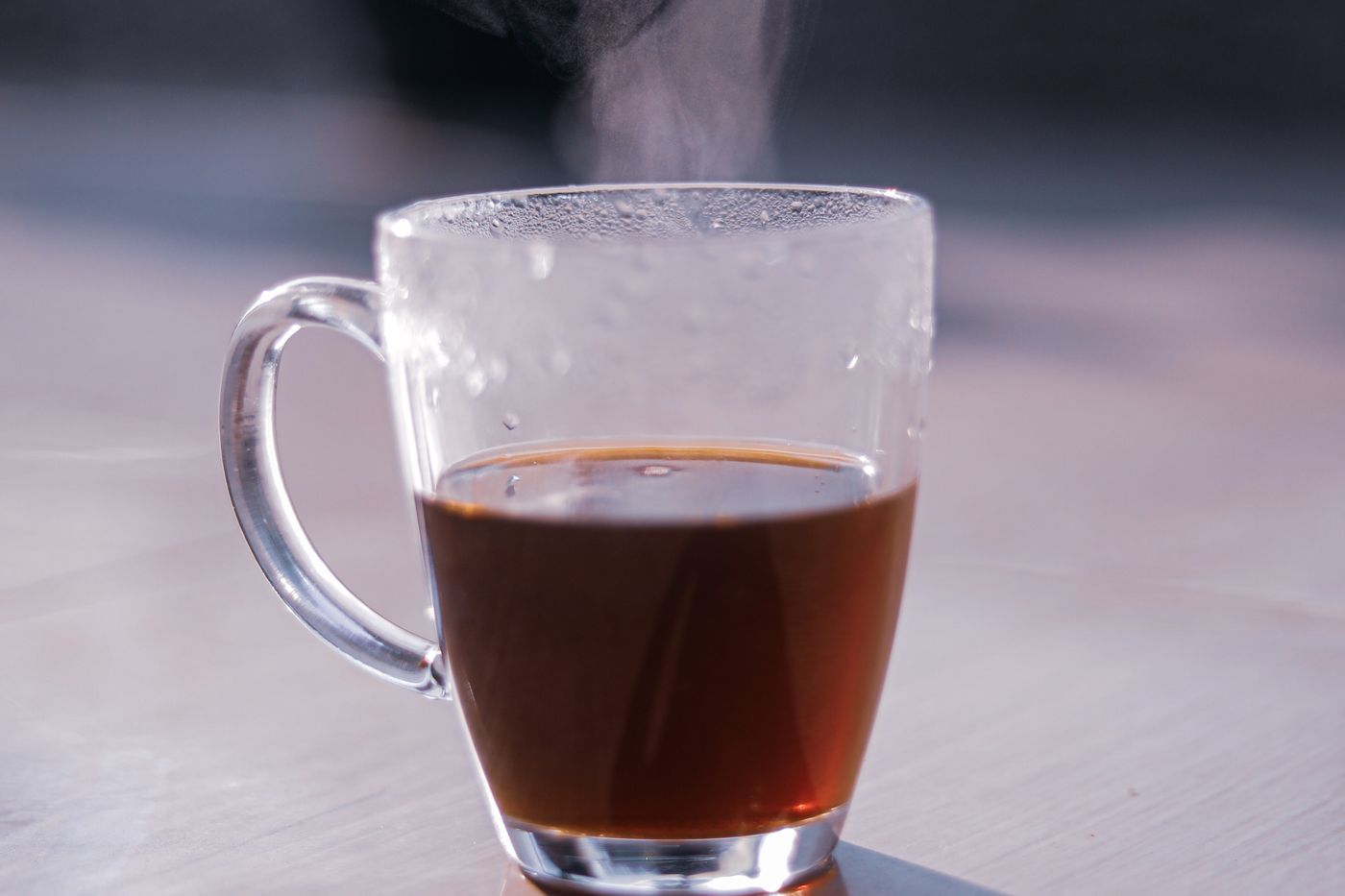
Black Tea
Black tea (hong cha) is fully fermented, producing red-brown liquor with rich, bold flavors. Unlike Western black teas, Chinese black teas like Keemun, Lapsang Souchong, and Dianhong express unique terroir character. Full-bodied and versatile, Chinese black tea stands alone without milk — or transforms beautifully with it.
The Fermentation Process
Black tea's distinctive character comes from complete oxidation of polyphenols into theaflavins and thearubigins — these pigments determine liquor color and flavor depth. Leaf rolling ruptures cell walls, exposing catechins to oxygen. Fermentation degree is critical: too light yields pale, weak tea; too heavy damages the aroma.
Three Famous Chinese Black Teas
Keemun (Anhui): world-class aroma described as rose, fruit, and honey combined. Lapsang Souchong (Wuyi): traditional pine-smoking creates distinctive smoky, dried fruit character. Dianhong (Yunan): large-leaf variety produces bold, tippy tea with honey sweetness. All benefit from 100掳C brewing.
Brewing & Pairing
95°C is the ideal brewing temperature for most black teas, with a 1:50 ratio (3g per 150ml) and 15-30 second steeps. Gongfu-style brewing uses the standard 1:50 ratio, with the first two infusions at 15s and 30s. Dianhong and other large-leaf varieties do best at 95°C, while delicate tip-heavy teas benefit from 90-92°C. These teas shine pure to appreciate their complexity, but Keemun makes superb milk tea. For Hong Kong-style lemon tea, brew strong to stand up to citrus and syrup.


