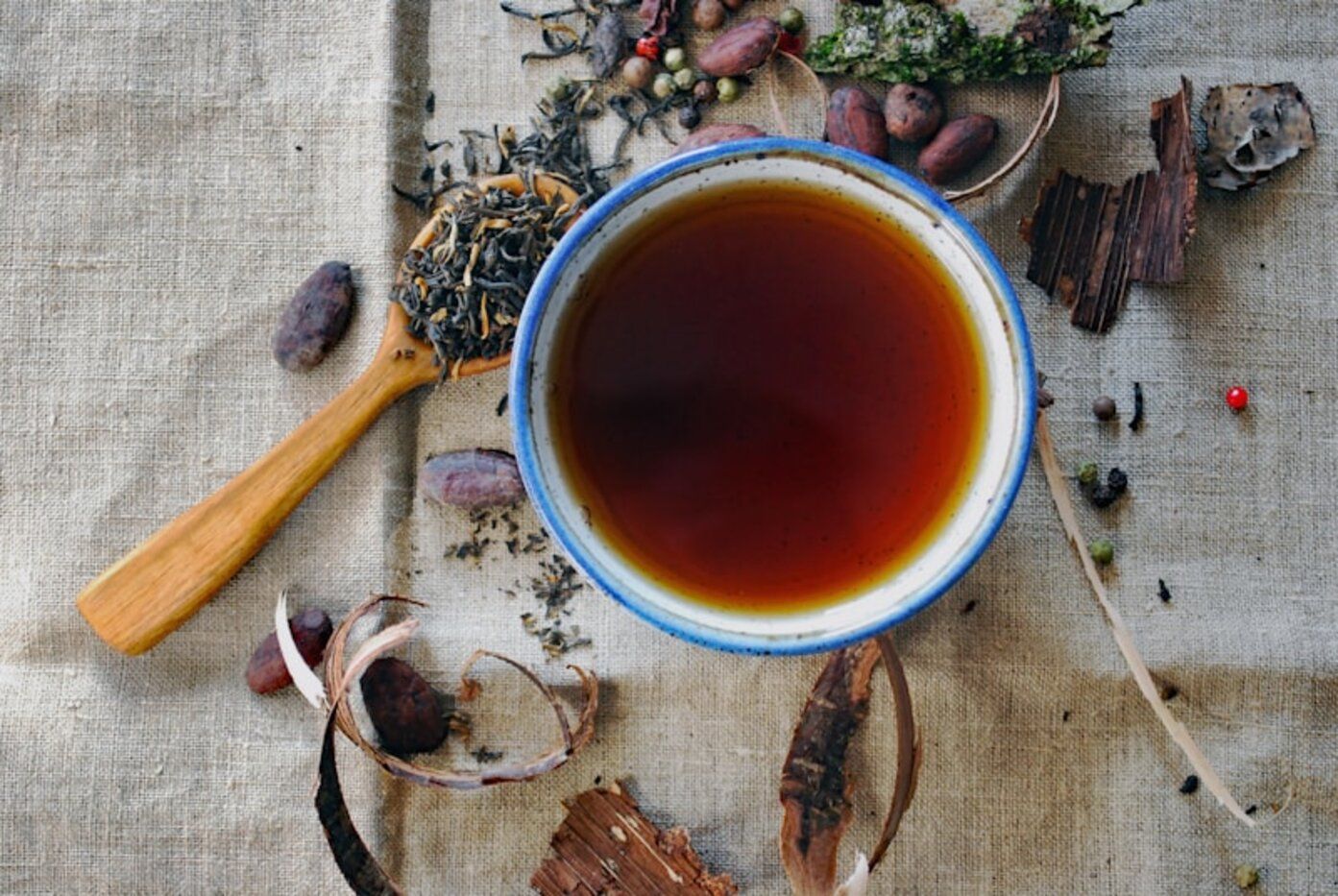
White Tea
White tea is the simplest processed tea type — only withering and drying, with no rolling, kill-green, or fermentation. Produced primarily in Fuding and Zhenghe, Fujian (Fuding city is recognized as the Home of Chinese White Tea, Zhenghe county likewise), the core cultivars are Fuding Da Bai (China Tea No. 1) and Zhenghe Da Bai (China Tea No. 5). It ranges from the rare Silver Needle (single bud) to the abundant Shou Mei (mature leaves), all prized for their delicate, naturally sweet character.
Why White Tea Ages Well
White tea's minimal processing preserves complete leaf structure, allowing slow natural oxidation during storage. Properly stored white tea mellows over years — polyphenols oxidize into smoother compounds, creating the "one year as tea, three years as medicine, seven years as treasure" character. Store in dry, ventilated conditions away from light and odors.
Four Categories Explained
Silver Needle (Bai Hao Yinzhen): single bud only, rarest and finest. White Peony (Bai Mudan): one bud with leaves, richer than Silver Needle, better value. Shou Mei: three+ leaves, full-bodied, excellent daily drinker. Artisan White: non-traditional process, avoid confusion with authentic white tea.
Brewing Guide
Use 85-90掳C water — too hot damages its delicate nature. Glass teaware shows off the pale liquor; white porcelain gaiwan focuses the fragrance. For gaiwan brewing: 5g, steep 30 seconds. For glass cup brewing: 3g, steep 1 minute. Aged white tea tolerates boiling water and can be boiled for a different experience.


